BULK PRODUCTS, WHITE LABEL, QUALITY AROMATICS

logo
Compliance & Safety

CLP Compliance
Labelling Guide

Essential Oils

Great Britain + European Union

Practical guidance on classification, hazard labels, packaging and market-specific duties for essential oils and essential-oil mixtures.
CLASSIFICATION

Use current product data and the Safety Data Sheet (SDS).

HAZARD LABELS

Apply the correct pictograms, signal word, H- and P-statements.

PACKAGING

Follow container and safety requirements where applicable.

MARKET-SPECIFIC DUTIES

Understand the differences between Great Britain and the European Union.

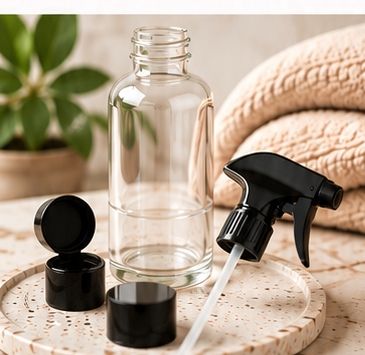
Bottle, caps and spray trigger packaging
Before You Design the Label

The first step
is classification

Determine whether your product is a substance or a mixture and use the current classification information and SDS. Do not assume that all essential oils carry the same pictograms or statements.

  • Use the exact product classification.
  • Pictograms, signal word and statements depend on the hazard profile.
  • If not classified as hazardous, a full CLP label may not be required.
  • A Safety Data Sheet (SDS) should be your control document.
Map of Great Britain

Great Britain (GB CLP)

England, Scotland and Wales
  • Classify and label in accordance with GB CLP.
  • Administered by the Health and Safety Executive (HSE).
  • Distributors can use an existing classification from the supply chain.
  • Reassess if you rebrand, repackage or reformulate.
  • A UFI is currently not mandatory under GB CLP.
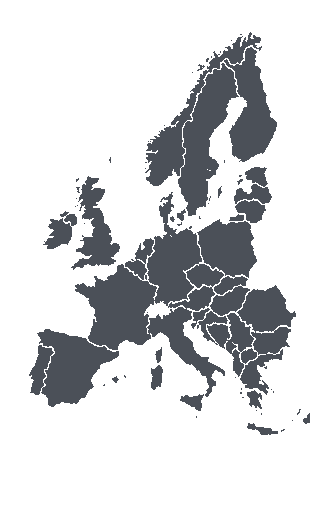
Map of the European Union

European Union (EU CLP)

Regulation (EC) No 1272/2008, as amended
  • Classify and label in accordance with EU CLP.
  • Use the official language(s) required in the Member State.
  • Include a UFI where an in-scope hazardous mixture is subject to Annex VIII requirements.
  • EU supplier or importer duties must be considered for the relevant supply chain.
  • Northern Ireland follows the EU CLP regime.
CLP Label Layout

Essential Oil CLP Label Example

A hazardous chemical label uses standardised symbols and wording to communicate the classification. The exact information required will depend on the product-specific classification and current SDS.

PRODUCT IDENTIFIER e.g. essential oil name / mixture trade name + required substance identifiers
GHS
GHS
GHS
SIGNAL WORD Danger / Warning – only as classified
Hazard statements (H-codes) Insert the exact hazard statement wording required by the classification.
Precautionary statements (P-codes) Insert the selected precautionary statement wording required by CLP.
Supplemental information (EUH / other) Include only where applicable to the specific classification / product.
Supplier details Name, address and telephone number of the CLP supplier.
Nominal quantity e.g. 10 ml
GB: UFI is not mandatory. NPIS product-information submission is currently voluntary.
Key Label Elements
1
Product identifierExact identity required for the substance / mixture.
2
PictogramsUse only the GHS pictograms triggered by classification.
3
Signal wordDanger or Warning where required.
4
Hazard statements (H-codes)Exact H-statement wording for the classification.
5
Precautionary statements (P-codes)Selected P-statements required by CLP.
6
Supplemental informationEUH / other supplementary wording where applicable.
7
Supplier detailsCLP supplier name, address and telephone number.
8
Nominal quantityRequired for packs supplied to the general public, subject to CLP rules.
Resources

Download the Full Guide (PDF)

Get the complete CLP compliance and labelling guide for essential oils, including detailed information on classification, labelling, packaging, safety devices and market-specific duties.

Download PDF ↓