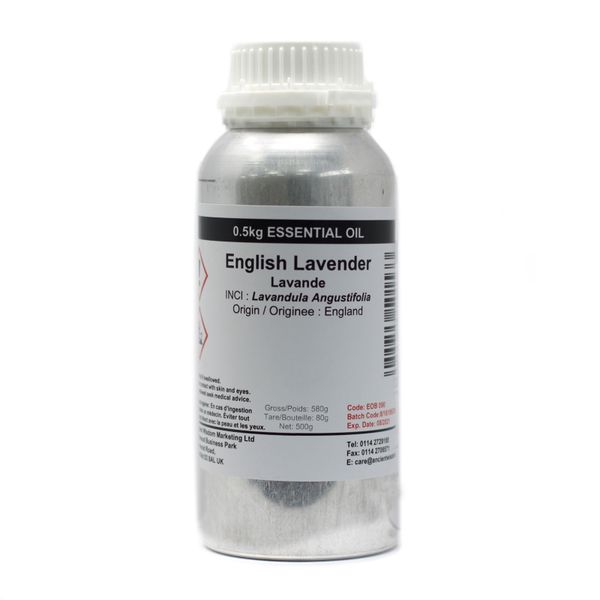


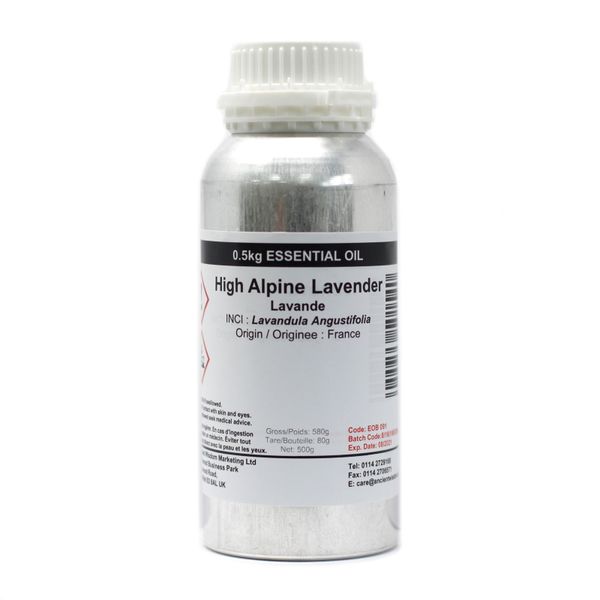


Our essential oils are 100% natural and therapeutic-grade, carefully sourced from plantations around the world and bottled in the UK. Oils are tested for purity and subject to stringent quality control standards.
Stock availability is regularly updated, with UK delivery in 1–2 working days. MSDS, allergen information and IFRA documentation are available for each oil.
French Lavender Essential Oil has been a favourite with aromatherapists across Europe for over 20 years, reflecting the long-standing quality of our essential oil range.
What are the most popular bulk essential oils?
The most popular bulk essential oils are typically widely used for their therapeutic properties, versatility, and pleasing aromas. Some of the top choices include:
- Frankincense Oil: Often used in meditation and skincare, frankincense is prized for promoting relaxation and supporting healthy skin.
- Lemon Oil is used in cleaning products, mood enhancement, and skincare.
- Orange Oil: Its cheerful and uplifting aroma is used in various applications, from household cleaners to stress relief.
- Peppermint Oil: Popular for its refreshing scent and cooling effect, it's commonly used for digestive issues, headaches, and as an energy booster.
- Eucalyptus Oil: It is commonly used in cold treatments and sinus congestion treatments and serves as a natural insect deterrent.
What are the guidelines for diluting bulk essential oils?
Diluting bulk essential oils is crucial to ensure safe and effective use. Here are the general guidelines:
- Understand Dilution Ratios: Essential oils are highly concentrated and must be diluted before use. The dilution ratio typically ranges from 1% to 5%, depending on the oil and its intended use. For example, a 1% dilution is generally recommended for facial applications, while a 2-3% dilution may be suitable for body applications.
- Choose a Carrier Oil: Dilution requires carrier oil to effectively and safely disperse the essential oil. Common carrier oils include coconut, jojoba, sweet almond, and olive oil. The carrier oil should be chosen based on personal preference, skin type, and potential allergies.
- Calculating Dilutions: To calculate the dilution, consider the total volume of the desired product and the concentration needed. For instance, to make a 1% dilution in a 100ml bottle, use 1ml of essential oil and fill the rest with carrier oil.
- Mixing: Make sure to blend the essential oil entirely with the carrier oil by shaking the container or stirring the mixture well.
- Patch Testing: Before extensively using the diluted oil, it's essential to conduct a patch test on a small skin area to check for any adverse reactions.
- Storage and Labelling: Store the diluted oils in a cool, dark place in airtight containers. Glass containers are preferred, especially for citrus oils, which can degrade plastic. Label the containers with the type of oil, dilution ratio, and date of dilution.